01 — The scorer · Free instant website score
Your website has two audiences. Only one of them can read it.
A free, instant score out of 100 for how well ChatGPT, Google AI Overviews, Perplexity, Claude and Copilot can fetch, read and recommend your site. No signup, no card.
- Free
- Instant
- No signup, no card
- Scored out of 100
Plate 01 — The instrument
The reading
Your score, out of 100, in plain English
Each row below shows what a machine looked for, what it found, and the change that would move the score.
02 — What we check
Five things a machine looks for before it recommends you
This is a first glance, and it's honest about being one.
Legible to a machine
Structured data, a canonical tag, a title, a description, an llms.txt file, an agent.json file — the parts a machine looks for.
Allowed in
robots.txt, sitemap.xml and HTTPS — whether crawlers and AI agents are allowed to fetch the page at all.
Survives without JavaScript
Whether the words are still there with JavaScript switched off.
Answers who, what, where
Whether a machine can work out who the business is, what it does, and where.
Weight and speed
How heavy and slow the page is to fetch. A slow page is a page an agent gives up on.
Plate 02 — Three dials
03 — The shadow site
Your site has a twin. The machine has been reading it all along.
A machine doesn't see your design. It reads what's underneath it — text and data, not layout.
Most sites have almost nothing there for it to read. So when a customer asks an assistant for a recommendation, the business isn't outranked. It's absent.
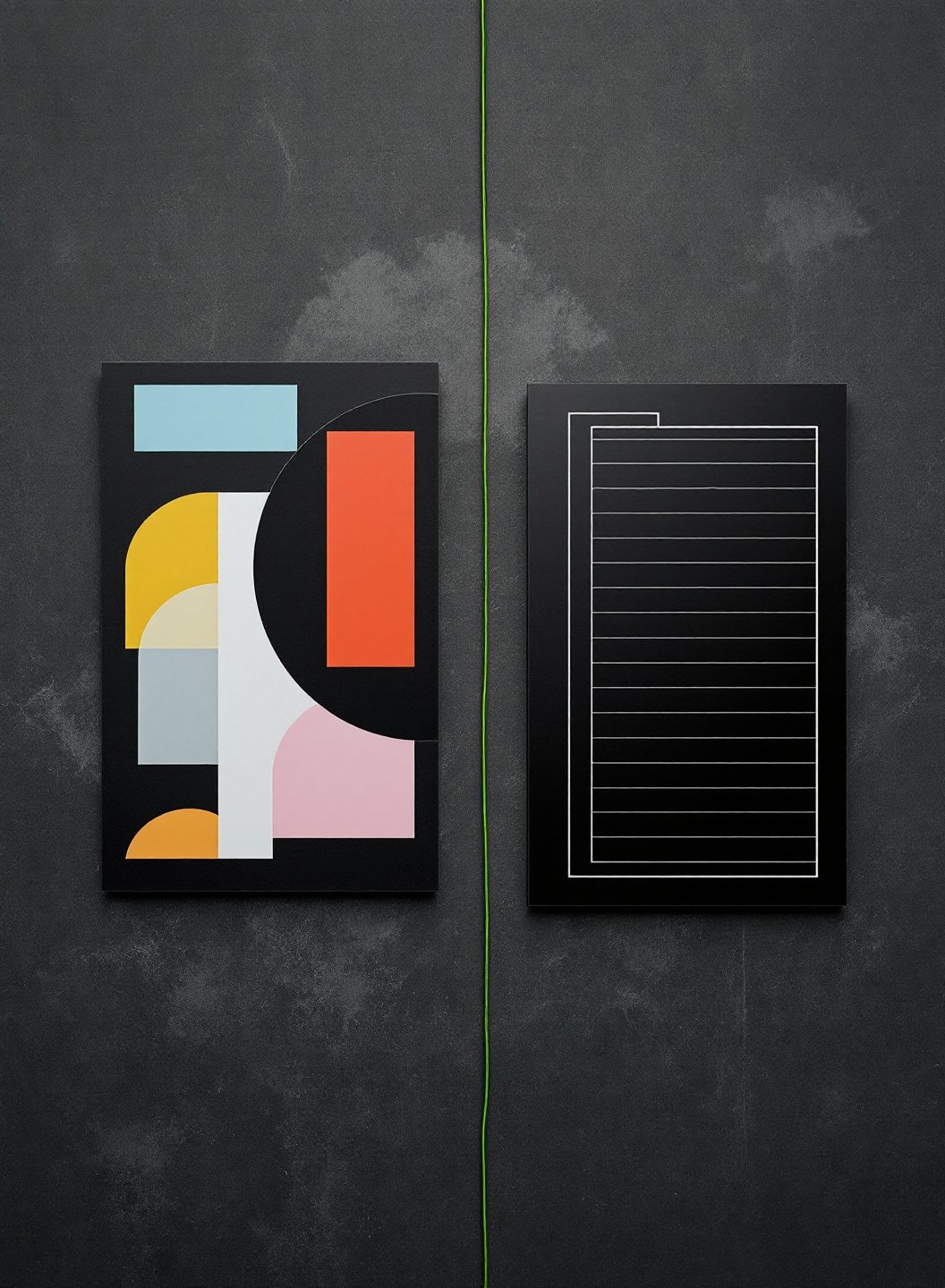
Plate 03 — The twin
What your customer sees
What the machine reads
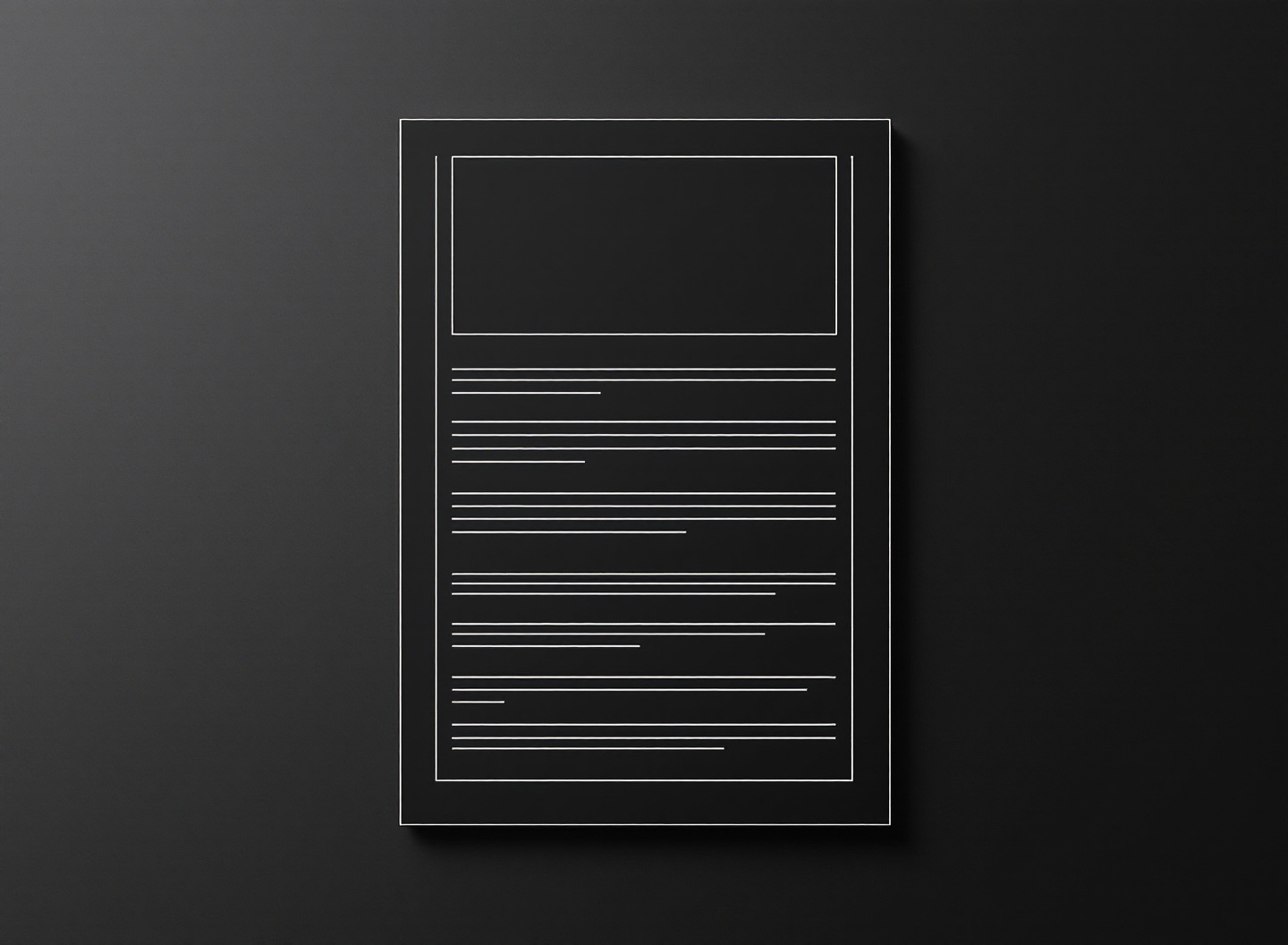
A shadow site is the machine-readable twin of a website: the same truth about the business, published in a form an assistant can quote. Every Twin Native site ships with one.
04 — How it decides
How an assistant decides whether you exist
Plate 04 — The chain
-
1
The question
A customer asks an assistant instead of typing into Google.
-
2
The fetch
The assistant fetches the pages it can reach and reads them as text and data — not as design.
-
3
The answer
A site built only for human eyes gives it almost nothing to quote. The business isn't named in the answer. It's absent.
05 — After the score
A first glance, honestly labelled
The free score has limits. Here's exactly what they are, and what sits past them.
The free score
Reads only the public pages
The same pages any search engine may read.
Automated, from outside
And honest about it.
Instant
No signup. No card.
Enhance score
A visual reading the free pass cannot make
The free score fetches the public page as a machine. An enhanced score reads the site as a customer sees it.
Twin Native uses AI to visually assess the page and return a more comprehensive review: whether it earns trust, whether it holds on a phone, and whether it says what a person needs before they call. Requested, then arranged.
Plate 05 — The bench
06 — Questions
Questions, answered plainly
Plate 06 — The score sheet
Yes. No signup, no card.
The score reads only the pages that are already public — the same ones any search engine can already see.
No. It doesn't test ranking, traffic or Google position. It reads what's publicly fetchable and reports it.
Twin Native, a UK studio that builds sites for humans and machines together.